
The Psychology of Slot Spins: Why We Chase the Win

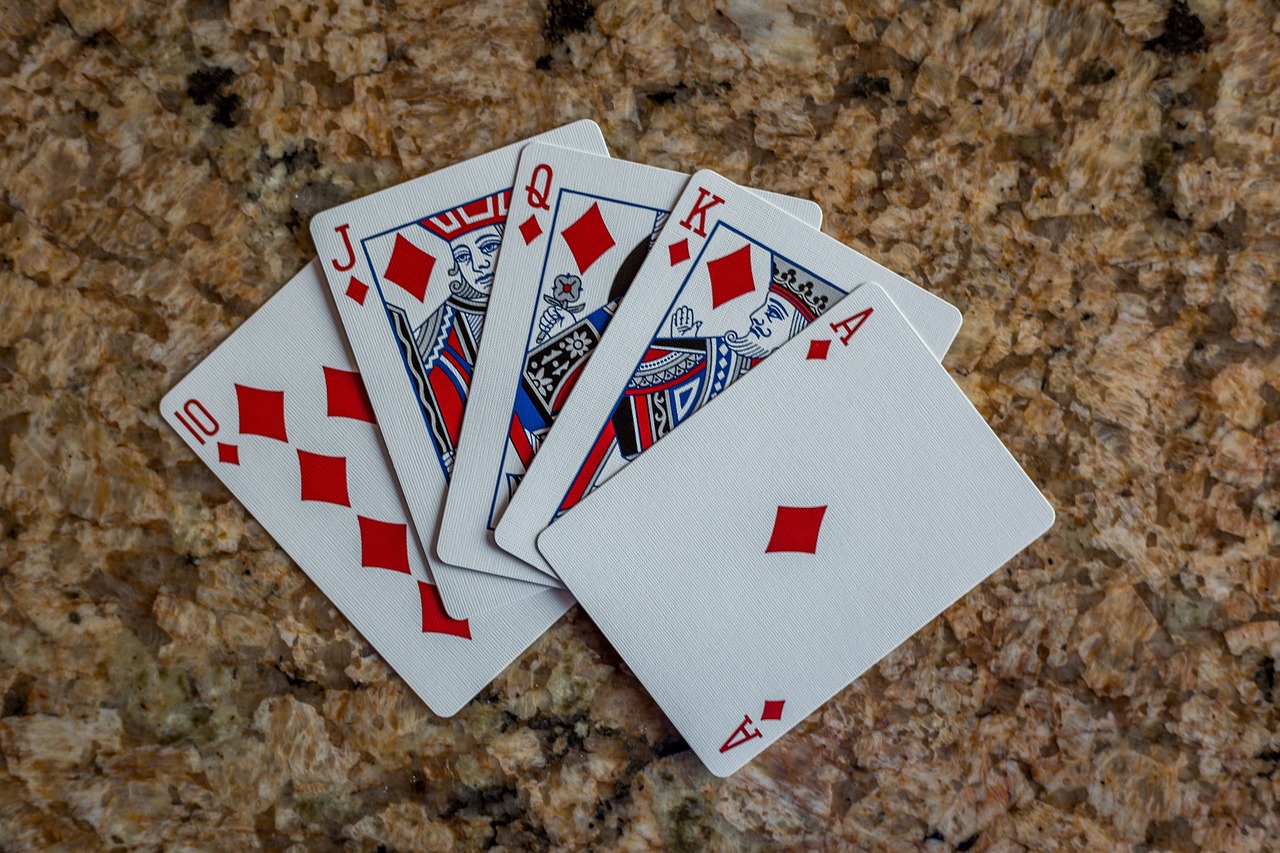
You're 200 spins deep on a bonus round that refuses to hit. The reels keep mocking you with two scatters and a blank. Your finger hovers over the spin button anyway. Why? Because the last time you felt this way, a 400x multiplier dropped out of nowhere and covered your weekend. That feeling — the near-miss, the almost-there — is the oldest trick in the iGaming playbook. And it works on everyone, from the $1 spinner to the high roller dropping $500 a pull.
Slot machines are deceptively simple: pull, hope, repeat. But underneath that simplicity lies a psychological masterpiece. Let's break down what's actually happening in your brain when you play, and how the smartest operators use that wiring to keep you spinning.
The Near-Miss: Your Brain Can't Tell the Difference
Researchers have studied this for decades. A near-miss — two matching symbols and a third that stops just above the payline — activates the same reward pathways as an actual win. In a 2009 study published in Neuron, participants showed increased activity in the ventral striatum (the brain's reward center) on near-misses, even though they lost money. That's why slot designers deliberately place blank symbols near high-value ones on the reel strips. It's not random; it's engineered disappointment that feels like progress.
Here's a concrete example: on many classic three-reel slots, the jackpot symbol appears more frequently on reel 1 than on reels 2 and 3. So you see it all the time — just not where it counts. The result? You feel like you're "close" even when the math says you're not. This is legal, widespread, and devastating for your bankroll if you don't recognize it.
Variable Ratio Reinforcement: The Slot Machine's Dirty Secret
B.F. Skinner discovered this in the 1950s with pigeons. Give a pigeon a treat every time it pecks a lever, and it pecks at a steady rate. Give it a treat randomly — after 1 peck, then 50, then 10 — and it pecks obsessively. That's variable ratio reinforcement. It's the same schedule that makes gambling so sticky.
Slots are the purest form of this. You don't know when the next win comes. Could be the next spin. Could be in 100. That uncertainty drives dopamine release before the outcome, not after. So you're not chasing the win — you're chasing the anticipation of the win. This is why bonus rounds and free spins are so powerful: they stretch out the anticipation, adding animations, sounds, and escalating multipliers that keep your brain hooked. See đánh đề online for a side-by-side comparison.
- Land-based slots average 85-92% RTP (return to player). Online slots often hit 94-97%, but that still means the house keeps 3-6% of every dollar over time.
- High-volatility slots (like Book of Dead or Bonanza) pay less often but can hit 10,000x your stake. Low-volatility slots (like Starburst) pay frequently but smaller. Your brain prefers frequent small wins, even if the math is identical.
- Autoplay and turbo spin features remove the friction of decision-making. That's not a convenience — it's a trap. Faster spins mean faster losses.
Poker: Where Psychology Cuts Both Ways
Poker flips the script. Here, you're not playing against a random number generator; you're playing against other humans. That means the psychological edge belongs to whoever reads the table better. The near-miss doesn't apply because there's no reel — but the same dopamine loops drive bad calls.
Think about a bad beat: you flop top set, opponent calls with a gutshot, and the river completes their straight. You tilt. You start playing junk hands, chasing losses. That's the same variable ratio reinforcement at work — you know you're good, so you "deserve" a win. Online poker rooms love this because tilted players rebuy faster and play more hands per hour.
The best poker players aren't emotionless robots; they just recognize the pattern. They set stop-losses, take breaks, and refuse to chase. That's not talent — it's discipline.
The House Edge Isn't a Secret — It's a Feature
Every casino game has a built-in mathematical advantage for the house. Blackjack with perfect basic strategy: 0.5% house edge. European roulette: 2.7%. American roulette: 5.26%. Slots: 3-7% depending on the game. Poker is different — you're playing other players, and the house takes a rake (usually 5-10% of the pot).
Why does this matter? Because understanding the edge changes how you play. If you're going to play slots, play ones with 96%+ RTP and low volatility if you want longer sessions. If you're playing blackjack, learn basic strategy — it's free and cuts the edge to nearly zero. If you're playing poker, game selection matters more than card selection. A mediocre player at a soft table beats a great player at a shark tank every time.
Five Practical Rules for Staying in Control
None of this means you can't enjoy iGaming. It means you should play with your eyes open. Here's a concrete checklist:
- Set a loss limit before you start. Not a vague "I'll stop if I'm down" — a hard number. Write it down. When you hit it, you're done for the day.
- Never chase bonuses. That 200% deposit match with a 40x wagering requirement? You'll likely lose more trying to clear it than the bonus is worth. Do the math before you opt in.
- Use slower spin settings. Turbo and autoplay are designed to separate you from your money faster. Manual spins with a 3-second delay feel slow, but they give your brain time to catch up.
- Track your sessions. A simple spreadsheet with date, game, buy-in, cash-out, and time played will reveal patterns you didn't know you had. Most people overestimate their wins and underestimate their losses.
- Take real breaks. Not 30 seconds between spins — actual breaks. Stand up, walk away, drink water. The dopamine loop resets when you physically disengage.
The Bottom Line
Slots, casino games, and poker are all engineered to exploit predictable human psychology. That doesn't make them evil — it makes them products. The same anticipation that makes a bonus round thrilling is the same mechanism that keeps you spinning past your limit. The difference between a sustainable hobby and a problem is whether you're making decisions or reacting to them.
So the next time you feel that itch to spin just one more time, ask yourself: am I playing because I want to, or because the machine wants me to? If you can answer that honestly, you're already ahead of 90% of players.

Joeby Ragpa
This template is so awesome. I didn’t expect so many features inside. E-commerce pages are very useful, you can launch your online store in few seconds. I will rate 5 stars.
ReplyAlexander Samokhin
This template is so awesome. I didn’t expect so many features inside. E-commerce pages are very useful, you can launch your online store in few seconds. I will rate 5 stars.
ReplyChris Root
This template is so awesome. I didn’t expect so many features inside. E-commerce pages are very useful, you can launch your online store in few seconds. I will rate 5 stars.
Reply