
The House Always Wins? Debunking iGaming's Biggest Myths

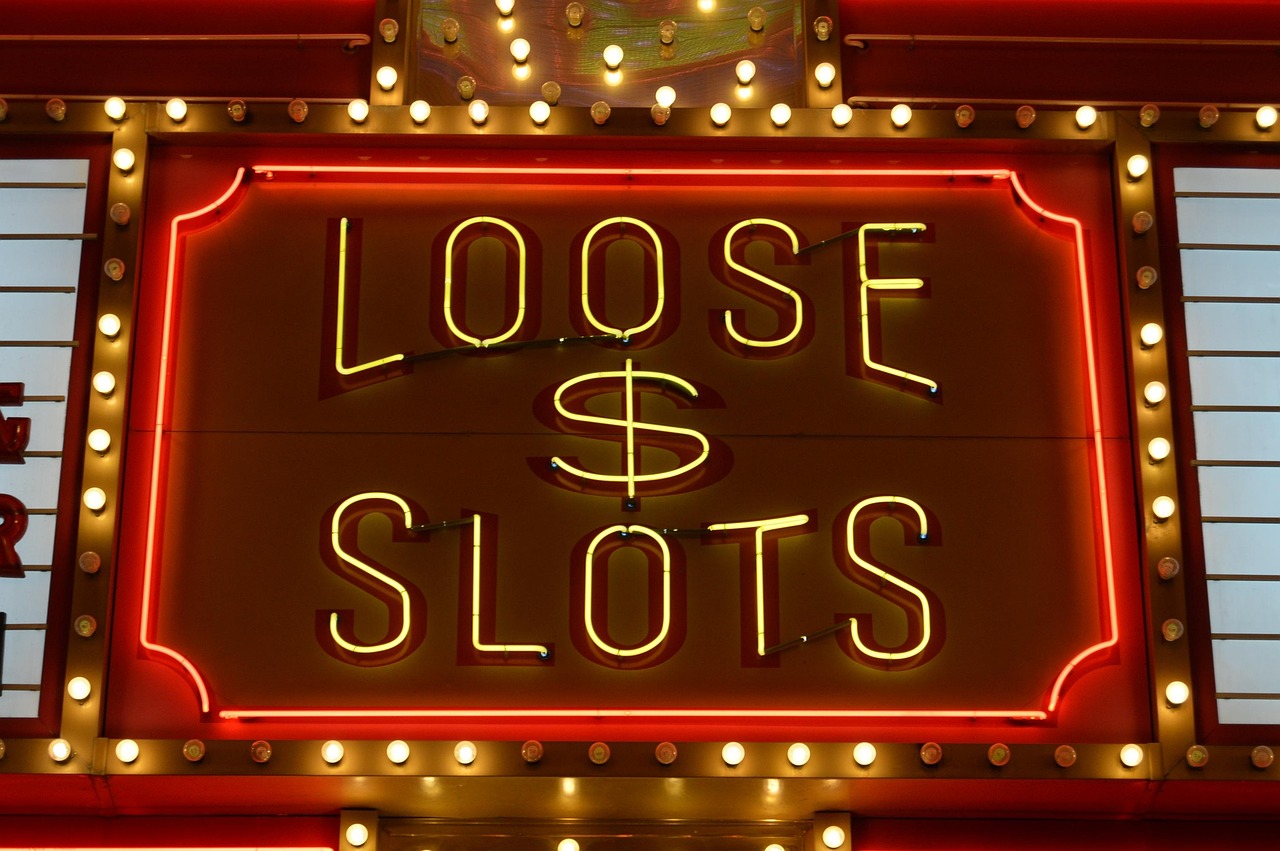
Let's be honest: most people who tell you they've "cracked the system" are either selling something or haven't checked their bank balance recently. iGaming — casino, sports betting, slots, poker — is one of those topics where genuine knowledge separates a fun pastime from an expensive lesson. After years of watching players navigate everything from high-variance slots to multi-table poker tournaments, one thing stands out: the winners aren't the ones with secret formulas. They're the ones who understand how the machinery actually works.
The Fundamental Math Nobody Wants to Hear
Every casino game is built on the house edge. That's not cynicism, it's arithmetic. In European roulette, the single zero gives the house a 2.7% edge. American roulette doubles that with a second zero, pushing it to 5.26%. Blackjack with basic strategy can shrink the house edge to roughly 0.5%, while a typical slot machine sits somewhere between 90% and 97% return-to-player (RTP) depending on the game and provider.
What does this mean in practice? If you run ten thousand spins on a slot with 96% RTP, you'll lose about 4% of everything wagered over that period. Nobody beats that long term. The goal isn't to outsmart the math — it's to manage the session, extend your bankroll, and hopefully catch a variance spike in your favor.
Here's a quick reference for typical house edges:
- European Roulette: 2.70%
- Blackjack (basic strategy): 0.5% to 1%
- Baccarat (banker bet): 1.06%
- Slots: 3% to 10% (varies wildly)
- Sportsbook moneylines: 4% to 5% on most major markets
Notice how baccarat, often dismissed as a luck-only game, actually offers one of the best bets on the floor? That's the kind of detail that separates players who last from players who don't.
Slots: Where Variance Rules and RTP Lies in Wait
Slots are the heartbeat of online casinos — typically 70% to 80% of total revenue. But treating them all as equal is a rookie mistake. A Megaways game like Bonanza can swing wildly with a max win thousands of times your stake. Meanwhile, an older 3-reel classic might pay smaller but far more frequently.
Three things to look at before you spin:
- RTP: Over 96% is good; anything under 94% is starting behind the eight ball.
- Volatility: High variance means patience; low variance means more frequent but smaller payouts.
- Max win cap: Some slots cap wins at 5,000x, some at 100,000x — that cap shapes the entire volatility curve.
One more tip: many providers publish different RTP versions of the same game for different markets. A slot you loved at one casino might run a lower version elsewhere. It's not paranoid to check the paytable — it's smart. This is explained well on king 88.
Sports Betting Is About the Line, Not the Team
Casual bettors pick winners. Sharps attack lines. The difference matters. When you bet a moneyline, you're not just wagering on a team — you're wagering against the market's assessment of implied probability. A -150 favorite implies a 60% win probability. If you think the true probability is 68%, only then do you have value.
This is why line shopping is the single cheapest edge in sports betting. Different books on the same game might list -3 (+105) versus -3 (-110) on a spread. Over 500 bets, that half-point difference can swing your ROI by several percentage points — which is often the gap between profit and loss.
Concrete habits that actually move the needle:
- Always compare at least three books before placing a bet.
- Specialize in two or three leagues rather than spreading attention across ten.
- Track every bet — even a simple spreadsheet. Trust your records over your memory.
- Avoid parlays unless the math justifies the correlated risk, which it usually doesn't.
Poker: The Only Game Where You Compete Against People
Poker sits politely at the gaming table but couldn't be more different from everything else. The house takes a rake, then steps back. Your win rate comes entirely from other players' mistakes. That's why game selection matters more than raw talent. Sitting in a lineup full of professionals on a Saturday afternoon is a great way to bleed chips; finding a soft table at 2 AM is how pros pay rent.
Three foundational things separate winning poker players from losing ones:
- Position awareness: Acting last gives you information. It's the closest thing to a superpower.
- Bankroll management: Rule of thumb — 20 to 30 buy-ins for cash games, 50 to 100 for tournaments.
- Emotional control: Tilt has cost more money than every bad beat combined.
Online poker gives you one huge advantage over live play: you can multi-table, analyze hands in real time with tracking software (where legal), and put in thousands of hands weekly. Volume cures a lot of sins — but only if you review the leaks.
Responsible Play Isn't a Buzzword — It's a Discipline
Every serious player, regardless of game, sets limits before they sit down. Not after. Deposit limits, session timers, stop-loss thresholds — these tools exist on virtually every regulated platform now, and using them isn't a sign of weakness. It's basic defensive play.
The players who get into trouble almost always share one trait: they chase losses and change the plan mid-session. A plan that bends to emotion isn't a plan at all.
A few practical guardrails:
- Decide your monthly entertainment budget and never cross it.
- Never gamble to fix financial problems — that's how the spiral starts.
- Take breaks after big wins and big losses; both distort judgment.
- Use platform tools like reality checks, deposit caps, and cool-off periods without treating them as punishment.
Regulated markets in Europe, the UK, and a growing list of US states force these tools into the player's hands. Use them. It's not about playing cautiously; it's about playing for the long haul.
The Bottom Line
iGaming rewards curiosity and punishes impulse. Whether you're grinding micro-stakes poker, chasing a bonus round on a high-volatility slot, or hunting value in an obscure football league, the same principle holds: the math governs everything, and your job is to know the math well enough to make smarter choices within it. You won't beat the house edge over a lifetime. But you can beat the average player — and that's where all the real opportunity lives.

Joeby Ragpa
This template is so awesome. I didn’t expect so many features inside. E-commerce pages are very useful, you can launch your online store in few seconds. I will rate 5 stars.
ReplyAlexander Samokhin
This template is so awesome. I didn’t expect so many features inside. E-commerce pages are very useful, you can launch your online store in few seconds. I will rate 5 stars.
ReplyChris Root
This template is so awesome. I didn’t expect so many features inside. E-commerce pages are very useful, you can launch your online store in few seconds. I will rate 5 stars.
Reply