
The Grind Isn't Luck: Inside the Real Mechanics of iGaming

Every casino floor tells the same lie. It whispers that the next spin, the next hand, the next goal is the one that changes everything. The truth? The math doesn't care about your gut feeling or your lucky shirt. Understanding how the machinery actually works is the only real edge you'll ever have — and it's a far more interesting story than another "big win" fantasy.
Let's pull back the curtain on slots, table games, poker and sports betting, from the microsecond a server generates a random number to the way a sportsbook quietly shrinks its risk while you're still celebrating a goal. This isn't about killing the fun. It's about playing with open eyes.
The RNG Myth Everyone Falls For
Modern digital slots don't spin reels in the way you might imagine. There are no physical gears waiting to slow down. Instead, a Random Number Generator — usually a cryptographic-grade algorithm running on verified hardware — cycles through numbers thousands of times per second. The instant you press spin, the software grabs whatever number is current and maps it to a reel outcome. That's it. No pattern, no hot streak, no "due" moment.
What this means practically is that a machine that hasn't paid out in three hours is no more likely to hit than one that paid a jackpot ten seconds ago. Regulators like the UK Gambling Commission and Malta Gaming Authority require independent labs (eCOGRA, GLI, BMM) to test and certify these RNGs. If a provider is found manipulating results, the licence goes. That's the trade-off: you get provable fairness on the randomness, but that fairness cuts both ways.
Volatility and RTP: The Numbers That Actually Matter
Ask a casual player about Return to Player and you'll often get a shrug. Ask a serious one and they'll tell you that RTP is the theoretical percentage of all wagered money a game returns over millions of spins. A 96% RTP slot returns six pence per pound staked, on average, over the long run. The remainder is the house edge.
But RTP alone is a poor guide. Volatility tells you the shape of the ride:
- Low volatility: frequent, smaller wins. Think classic 3-reel fruit machines. Bankroll lasts longer but jackpots are modest.
- Medium volatility: balanced. Good for players who want to be entertained without sitting on the edge of their seat.
- High volatility: long dry spells, enormous potential payouts. A 10,000x mega-way slot can eat a 100-unit bankroll in twenty spins before returning anything.
A concrete example: two slots both show 96.2% RTP. One has 20 paylines and pays regularly; the other is a 243-ways monster with a 0.01% chance of the top symbol combo. Playing the second with a "grind it out" bankroll strategy is financial self-harm. Match the volatility to your purpose, not your mood.
Where the House Edge Sits at the Table
Table games are less mysterious than slots because the odds are largely fixed by rules. Roughly, the house edge per bet looks like this:
- Blackjack (basic strategy): 0.5% — the only mainstream table game where a skilled human can meaningfully narrow the gap.
- Baccarat (banker bet): 1.06%, reduced to 1.24% on player.
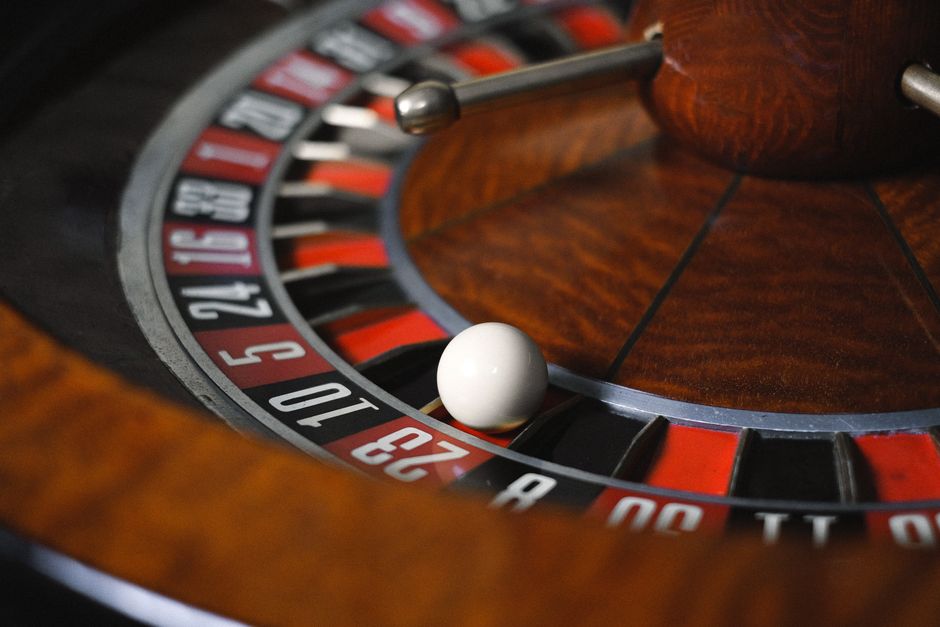
- European roulette: 2.7%. American roulette with the double-zero? 5.26%. One extra pocket doubles your disadvantage.
- Caribbean Stud or Three Card Poker: typically 2-5%, depending on the variant and your raise decisions.
- Side bets: almost always the worst value on the felt, often 5-15%.
The 5% edge on a side bet doesn't feel like much after a couple of beers. But play that bet 200 times a night at £10 a pop and you're feeding roughly £100 to the house in expectation. Understanding this math is what separates a bettor from a mark.
Poker Is Not Gambling in the Same Way
There's a crucial distinction people miss. In most casino games you're competing against the house, and the edge is fixed against you. In poker, you're competing against other humans, and the house takes a rake. Skill, not luck, drives long-term results. Many readers start with nhacaitangtien.com.co when comparing options.
That's why winning poker players obsess over three things: position, pot odds and reading opponents. A tight-aggressive strategy from late position with a moderate hand can be more profitable than a strong hand played out of position. If you're new, start with low-stakes No-Limit Hold'em, focus on playing fewer hands, and track every session in software. Poker is the only game where your own decision-making is the variable that matters most.
How Sportsbooks Really Manage Your Bets
When you place a £50 bet on a football match, the sportsbook isn't gambling on the outcome in the way you are. It's balancing its book. If too much money lands on one side, the trading team shortens the odds to attract money on the other side, or lays off risk with another operator. The goal is to profit from the margin — the overround — not to pick winners.
Overround refers to the total implied probability of all outcomes in a market. If a market has two outcomes priced at 1.95 and 1.95, the implied probabilities sum to about 102.6%, giving the book a theoretical margin. Sharp bettors hunt for prices that beat the closing line, because the closing line is the market's most efficient consensus. If you can consistently beat it, you have a genuine edge.
A few practical habits help:
- Line shop across at least three or four licensed books. The difference between 2.00 and 2.10 on the same bet is enormous over a season.
- Don't chase accas with eight legs; the book's margin compounds with every selection.
- Track closing line value (CLV) as your real performance metric, not short-term profit.
Bankroll Discipline Beats Every Strategy
Every experienced player eventually lands on the same truth: the edge is real, but without bankroll management it's irrelevant. Pick a number you can lose without affecting rent, and treat it as a separate account. Unit sizing matters — many professionals risk 1-2% of bankroll per bet or per slot session. That way, a bad run of 30 losses doesn't wipe you out, and a good run actually grows your capacity to play.
Also set time limits, not just money limits. Fatigue destroys decision quality. A tired player chases losses; a rested one walks away when the maths says stop.
The iGaming world isn't a conspiracy rigged against you, and it isn't a shortcut to riches either. It's an entertainment product with transparent mathematics and a built-in house edge. Learn the RTP, respect the volatility, shop the lines, and treat it as the cost of a good night out rather than an investment strategy. Play like someone who understands the machinery, and the occasional bad beat stops feeling personal. That calm is worth more than any hot streak.

Joeby Ragpa
This template is so awesome. I didn’t expect so many features inside. E-commerce pages are very useful, you can launch your online store in few seconds. I will rate 5 stars.
ReplyAlexander Samokhin
This template is so awesome. I didn’t expect so many features inside. E-commerce pages are very useful, you can launch your online store in few seconds. I will rate 5 stars.
ReplyChris Root
This template is so awesome. I didn’t expect so many features inside. E-commerce pages are very useful, you can launch your online store in few seconds. I will rate 5 stars.
Reply